A skin feels premium when it has presence. Not just “expensive” on the Steam Market, but the kind of presence that makes you hover inspect for an extra two seconds because the finish, the wear, and the little details all click together. Some skins look fine in the thumbnail and fall apart in-game. The good ones stay sharp in CS2’s Source 2 lighting, and that matters way more than people admit.
CS2 changed the way skins read on-screen. The subtick system didn’t magically change how finishes are made, obviously, but Source 2’s lighting, reflections, and cleaner materials did change how a lot of skins feel in motion. A skin that looked a bit flat in CS:GO can suddenly pop on Mirage A ramp or under Nuke’s cold yard lighting. That’s where “premium” starts: not rarity alone, but how the thing behaves when you’re actually playing at 128-tick-ish pace in Premier and not sitting in the inventory menu pretending you’re a collector.
Finish quality beats hype every time
People love to chase names. Doppler. Fade. Crimson Web. Case Hardened. Fine. But the skins that feel premium usually have a finish that looks expensive from every angle, not just from the market listing. Clean gradients, sharp color separation, good specular response, and textures that don’t turn into mud when you spin the inspect animation.
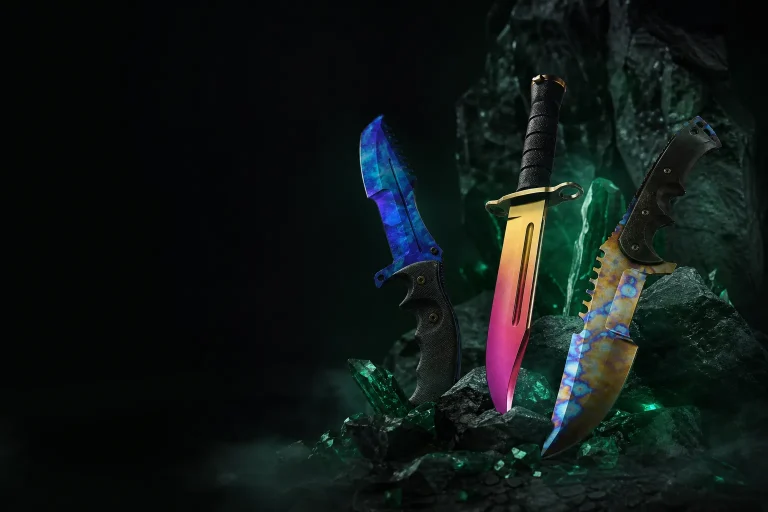
Take a Fade, for example. A full fade with strong color coverage just feels richer than a low-tier percentage one, even if both are technically the same finish family. Same deal with Dopplers: Phase 2 and Ruby get attention because they hold their identity under bright maps like Dust2 and Ancient. If a skin still looks crisp when you’re swinging B site on Inferno with utility everywhere and a molotov lighting the floor orange, that’s premium behavior.
- Good color depth.
- Clean contrast.
- No ugly texture breakup.
- Looks good in motion, not just in a static screenshot.
Wear matters more than people want to admit
Float is one of the biggest reasons a skin feels premium. Factory New doesn’t automatically mean better, but lower wear almost always gives a skin that sharper, more deliberate look people pay for. On some finishes, Minimal Wear is the sweet spot because the skin keeps its character without looking sterile. On others, even a small scratch kills the whole vibe.
That’s why a Factory New AK-47 Redline doesn’t really hit the same way as something with a flashy, high-contrast finish like a StatTrak AK-47 Fire Serpent or a clean knife in a premium phase. Redline is iconic, sure, but it’s not “premium” in the same visual sense. It’s more like a workhorse skin that survived ten years of being everyone’s first decent AK. Premium skins tend to feel intentional. They look curated.
Wear can also change how a skin reads in a clutch. When you’re 1v2 on Mirage with the bomb ticking and your rifle is half-busted, the skin stops feeling premium fast. Meanwhile, a low-float AWP Printstream or M4A1-S Welcome to the Jungle keeps its identity even when you’re wide-peeking connector on a bad spray day. That consistency is a huge part of why people call a skin “clean.”
Animation and inspect feel count too
Some skins are premium because of how they move. Knives are the obvious example. A Butterfly Knife Doppler or Marble Fade has that animation swagger that never gets old, and it’s a big part of the premium feeling. Same with gloves pairing — a skin can be decent on its own, but if it matches a pair of vice gloves, king snakes, or specialist gloves, the whole loadout suddenly looks built instead of random.
Inspect animations matter more than most players think. If a skin has a long, elegant inspect or a model that catches light in a satisfying way, it sticks in your head. That’s why some players will happily overpay for specific knives in specific phases. A boring pattern on a strong animation can still feel nicer than a prettier skin with clunky movement.
CS2’s cleaner presentation makes this more obvious than it used to be. The way the knife rotates under Source 2 lighting, especially on brighter maps like Vertigo or Overpass, can make a good skin look incredible and a mediocre one look cheap. That split second while you’re clearing close and checking your knife is basically a premium test.
Rarity is part of it, but not the whole thing
Sure, rare skins usually feel premium because scarcity feeds the whole experience. A rare pattern AK-47 Case Hardened, a high-tier Karambit, or a top-end souvenir AWP from a Major all carry that extra weight. You know not everyone has it. That’s part of the fun. But rarity alone doesn’t save a bad finish, and a skin can be expensive without feeling premium in play.
Some cases are a perfect example of this. A skin can be expensive because it’s old, hard to unbox, or tied to a discontinued collection, but if the design doesn’t hold up in CS2’s brighter look, it comes off more like a flex than a premium item. There’s a difference. Premium feels polished. Flex just feels loud.
Here’s the rough hierarchy most players actually care about:
- Visual quality first.
- Wear second.
- Rarity after that.
- Hype last, if at all.
Pattern makes some skins way better than others
Pattern is where skins get interesting. Two copies of the same item can feel like completely different tiers. Case Hardened is the obvious one — blue gem patterns are the classic example of a premium feel because they’re unmistakable. But pattern also matters on stuff like Dopplers, Slaughters, and even certain gloves. The right index can change the whole vibe from “nice” to “yeah, that’s a real one.”
This is why collectors obsess over pattern IDs while the rest of the lobby is buying another default M4A1-S because they’d rather save for an AWP on round 2. Pattern gives a skin identity. Without it, a lot of finishes feel mass-produced. With it, the skin feels like yours.
And let’s be real, in Premier where players are grinding CS Rating like it’s a second job, having a loadout that looks polished does matter. Not for aim, obviously. Donk isn’t missing because of his skin. But humans like nice-looking stuff, and premium skins have that “this loadout is put together” energy that cheap skins don’t.
The CS2 lighting test is real
A skin that feels premium in CS2 has to survive the lighting test. Mirage’s warm sun, Nuke’s cold industrial glare, Ancient’s earthy shadows, Anubis’ weird mix of bright stone and water reflections — all of it changes how a skin looks. If a finish only looks good in one spot, that’s not premium. That’s fragile.
This is where some older skins got a second life. Source 2 made certain finishes look richer because reflections are cleaner and surfaces don’t have that old flatness from CS:GO. You can see it on rifles, pistols, and especially knives. Even the AWP, which always tends to look expensive when the skin is strong, got a cleaner presentation that helps premium finishes stand out.
Bad lighting behavior is easy to spot once you’ve played enough. A skin that turns dull gray in shadow or goes weirdly shiny in bright areas feels cheap, no matter how much the market says otherwise.
What premium really means in practice
If I had to boil it down, a premium skin is one that keeps giving you something every time you look at it. Not just price tag bragging rights. Not just rarity. It has a strong design, clean wear behavior, good pattern potential, and enough presence that it doesn’t disappear in the middle of a round.
That’s why some player favorites keep their status forever. AK-47 Fire Serpent still has swagger. Karambit Fade still looks like money. AWP Dragon Lore still screams Major-era prestige even after all these years. None of those skins are subtle, and they’re not supposed to be. Premium skins usually aren’t quiet. They’re confident.
If a skin looks better after a smoke fades on Inferno, if it still feels sharp during a retake on Ancient, and if you don’t get tired of inspecting it after 200 matches, that’s premium. Everything else is just a market price with a fancy thumbnail.