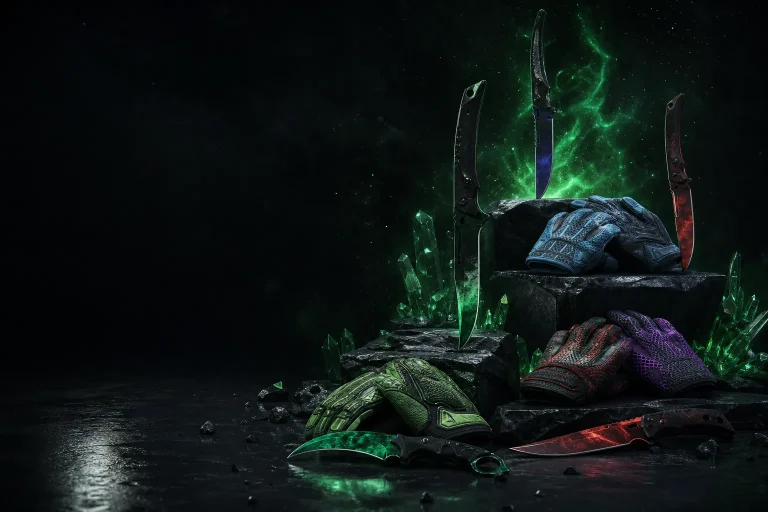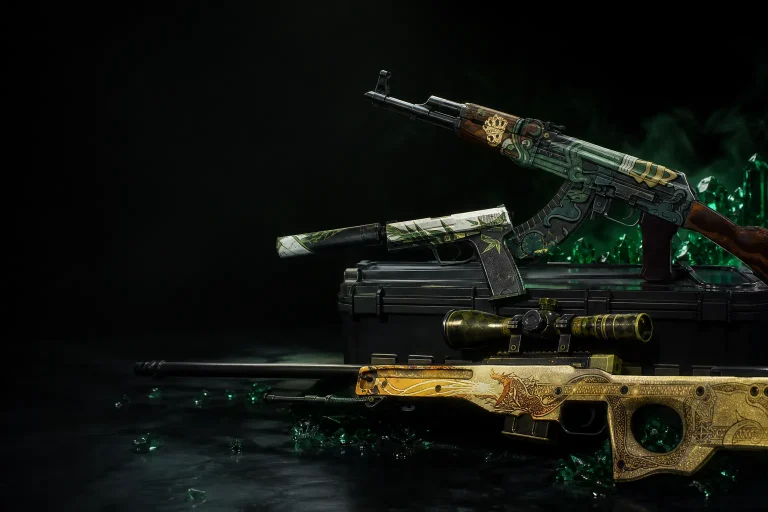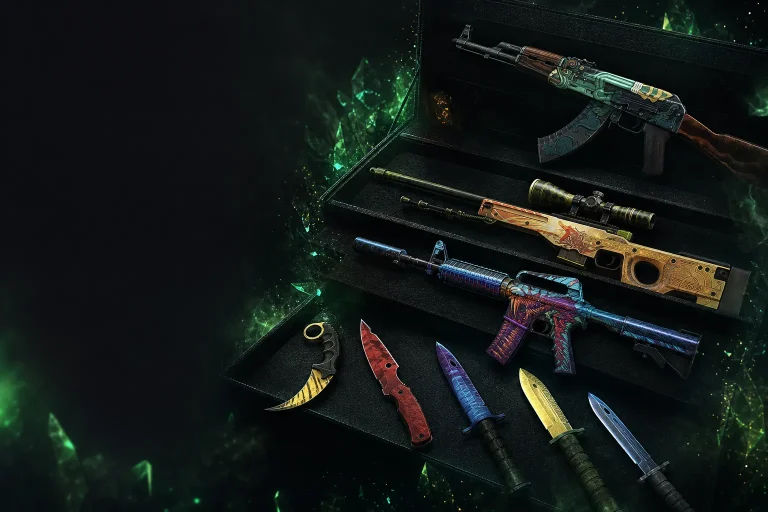
Digital collecting has gone from dusty display case energy to something way messier, faster, and a lot more online. If you’ve ever watched a CS2 player obsess over a Factory New Doppler, a signed Major sticker, or a StatTrak knife pattern that only looks right under certain lighting, you already know the vibe: people don’t just collect things anymore, they collect proof, history, scarcity, and a little bit of flex. That’s the future now, whether it’s skin markets, digital art, in-game items, or whatever the next big ownership format ends up being.
The funny part is that gamers were basically training for this for years. Counter-Strike players have been trading digital goods since the Source 1 days, when a Karambit Fade or a rare Dragon Lore felt like holding a piece of the game’s soul. CS2 just made the whole thing feel even more real, because Source 2 lighting makes finishes pop in a way old CS:GO never could. A case opening on Mirage or a post-match inventory flex in Premier doesn’t feel like a gimmick anymore. It feels like a market with taste, memory, and actual scarcity behind it.
Digital collecting is about ownership, not just data
People still talk about digital items like they’re fake because they’re files. That misses the point. A rare sticker capsule from a Major, a souvenir drop from a semifinal, or a skin with a weird float value isn’t valuable because of the pixels alone. It’s valuable because the market agrees it’s scarce, desirable, and tied to a story. That’s the same logic behind physical collecting, except now it moves at internet speed and gets priced by millions of players who all think they know the meta.
CS2 is a perfect example because the item economy is brutally efficient. A player can sell a skin in seconds, track prices on a live market, and compare it against float, pattern, wear, and sticker placement like they’re checking an aim duel VOD. That’s not random consumer behavior. That’s a full collecting culture with rules, hierarchies, and plenty of bad takes about what’s “clean.”
Why CS2 has become the clearest model
Counter-Strike has always been the poster child for digital collecting because the items actually matter to the community. A knife isn’t just a knife. A Printstream, a Blue Gem, a Titan holo, or a Crown Foil can turn into social currency. You can show up with 20k CS Rating and still get ignored if your inventory is ugly. That’s how deep the culture runs.
The future of collecting is probably going to follow the same pattern CS2 already has:
- Scarcity with context. Not every rare item matters. People care about the ones attached to a moment, a tournament, or a broken drop pool.
- Visible status. If other players can see it instantly, it becomes part of your identity. That’s why gloves, knives, agents, and stickers hit harder than hidden collectibles.
- Market memory. Items from old Majors, discontinued cases, and retired drops don’t just sit there. They age into legend.
- Pattern obsession. Some collectors want the exact thing nobody else has. In CS, that means floats, patterns, and sticker combinations that make traders lose their minds over a 0.001 detail.
That last part is the real tell. Collecting is moving away from “I own the thing” and toward “I own this specific version of the thing.” That’s very Counter-Strike. Nobody cares that you have an AK-47 Redline. They care if it’s 4x NAVI holos, plays clean in first-person, and looks like it was built for a Major grand final.
Source 2 made the whole market feel more permanent
When CS2 arrived, a lot of people acted like skins were just cosmetics getting a visual upgrade. Not really. Source 2 made digital items feel more tangible because lighting, reflection, and model clarity changed how players value them. A skin that looked mid in CS:GO can suddenly look premium in CS2. That matters. Collectors notice instantly, and traders notice even faster.
Subtick also changed the feel of the game itself, and that matters more than people think. When the core game is smoother and more exact, the items attached to it feel more tied to the identity of the title. A collection isn’t just floating above gameplay anymore; it’s part of a live ecosystem with Premier rating grind, Major hype cycles, weekly drop rewards, and constant social pressure from pros and content creators. When s1mple, ZywOo, donk, or m0NESY are on your screen, the items they use get dragged into the spotlight too. That publicity doesn’t disappear. It compounds.
The next wave won’t be just skins
Skins are the obvious example, but the future of digital collecting is broader than that. We’re already seeing it spread into profile badges, tournament passes, signed collectibles, limited-run cosmetics, and game-linked memorabilia that only has value because a community treats it like it matters. That’s the key part. If people care, the market forms. If people care enough, the market stays alive.
Here’s where I think it’s heading:
- Items will get more tied to events, not just rarity.
- Ownership history will matter more, especially for old tournament drops and retired collections.
- Collectors will care about provenance the same way traders care about float values now.
- Cross-game identities will become normal, meaning your account history might matter almost as much as the item itself.
That last one is spicy, but it’s coming. Players already care about Steam inventory history, badge dates, Major souvenirs, and whether an account has old operation items from way back. Once people start treating digital goods like long-term assets instead of quick resell bait, you get a much stronger collector class. Less flipping, more hoarding. Honestly, that’s probably healthier for the market anyway.
Bad collecting habits are still bad
Not every digital collectible is going to age well. A lot of the current hype is junk with a shiny wrapper. If something’s being pushed only because a creator said it’s the next big thing, I’d be cautious. That’s how you end up holding dead inventory while everyone else moved on to the actual rare stuff. Same story in CS2: terrible sticker crafts, overpriced filler knives, garbage souvenir packages nobody wants to open. The market has a way of punishing lazy taste.
If you want to collect smart, stick to the stuff with real anchors:
- old Major items
- discontinued cases
- high-demand finishes
- low-float versions of popular skins
- items tied to iconic pro moments
That’s where the gravity is. Not in whatever random trendy pick got shilled after one big update. If donk wins a Major and every kid on the server wants his sticker, fine — that’s real demand. If some forgotten badge gets pumped by a Discord full of bagholders, that’s usually smoke.
The real future: collections as identity
The biggest shift isn’t technical. It’s cultural. Digital collecting is becoming a way to say who you are, what games you played, what era you came from, and how seriously you take your hobby. In CS2, that already happens every day. A player with old Katowice 2014 stickers, a pristine AK craft, and a few impossible knives is telling a story before they even type in chat.
That’s why this stuff isn’t going away. As long as games keep building communities around visible ownership, collecting will keep growing. The next generation probably won’t draw a hard line between “real” and “digital” anyway. If anything, they’ll care more about whether the item is verifiable, limited, and socially meaningful. The pixels are the point.
And if Valve keeps pumping out Majors, new cases, and premium-looking finishes in CS2, the market will keep doing what it always does: turning pixels into status, status into value, and value into people arguing on Reddit about whether a particular fade pattern is actually worth $3,000 or if some trader just got high on his own inventory.
Either way, the future of digital collecting already looks a lot like a buy order page at 2 a.m. — fast, weird, emotional, and way more serious than people outside the scene want to admit.