When you love a collection, the mess usually comes from caring too much, not too little. Jerseys, figure, vinyl, manga, sneakers, vintage posters — whatever it is, the problem is the same: you keep adding pieces, and suddenly the whole thing looks like a spare room after a Premier overtime loss on Nuke.
The fix isn’t to make it look like a showroom. It’s to give it a system that actually fits how you collect, how often you touch the items, and how much chaos you can tolerate before it starts killing the vibe. If you’ve ever spent 20 minutes looking for one thing you swear was “right there yesterday,” this is for you.
Start with the real goal
Before you buy bins, labels, shelves, or those stupidly expensive acrylic cases everyone on Instagram pretends they needed, ask one question: what do you want this collection to do?
- Look good on display?
- Stay protected?
- Be easy to rotate?
- Help you find specific items fast?
You can’t optimize all four perfectly. Pick the main one. If you’re collecting CS2 stickers or pins, display matters a lot. If you’re storing graded cards, protection wins. If you’re dealing with a huge manga run, access and indexing matter more than pretty shelves. Trying to force one system for everything is how people end up with a closet full of half-labeled boxes and regret.
Sort it into buckets first
Do not start by organizing alphabetically unless the collection is tiny. That’s beginner trap stuff. First, sort by broad categories that make sense to your brain.
- By series
- By color
- By year
- By rarity
- By usage
For example, if you collect CS2 memorabilia, you might split it into Majors, autographs, team merch, and physical media. That’s way better than just shoving everything together because your s1mple rookie item and your random Blast.tv shirt are not the same kind of object, even if they’re both “CS stuff.”
This first pass doesn’t need to be pretty. It just needs to make the pile smaller and the decisions easier.
Use a system that matches the collection size
A 30-item collection and a 3,000-item collection need completely different setups. People mess this up all the time. They buy museum-grade storage for a small shelf collection, or they try to keep a giant archive in cute baskets like it’s a bedroom makeover reel.
For smaller collections, a simple display-and-storage split works:
- Display the favorites.
- Store the rest in labeled containers.
- Keep a master list somewhere digital.
For bigger collections, you need structure. Shelves, drawer units, archival boxes, dividers, and a tracking sheet. Nothing fancy. Just consistent. If you’ve got 200+ items, winging it stops being “casual” and starts being disorganized.
Label like you mean it
Labels are boring. Labels also save your sanity.
Use names you’ll actually understand six months from now, not cute shorthand only you remember when you’re in a good mood. “Misc Box 3” is useless. “Mirage stickers – spare, non-foil” is solid. “Top shelf randoms” is a lie you tell yourself before the collection gets out of hand.
A good label system usually includes:
- Category
- Subcategory
- Date or series
- Condition, if that matters
If you’re storing things in bins, put the label on the front and the top. Trust me. The day you need the box at the bottom of the stack, you’ll be glad you did.
Track the details digitally
Physical organization is only half the job. The other half is knowing what you own without tearing the whole setup apart like a bad Force-buy on Inferno.
A spreadsheet is enough for most people. Don’t overcomplicate it. Add columns for:
- Item name
- Category
- Condition
- Purchase price
- Current value, if you care about that
- Location
That last one matters more than people think. “Shelf B, second row” saves you from hunting every single time. If your collection is valuable, especially limited-run stuff or signed pieces, photo documentation is smart too. Not glamorous, but smart.
Protect the pieces that matter most
Not every item needs archival treatment. That would be ridiculous. But the important stuff absolutely does.
Use sleeves, soft cloth bags, acid-free boxes, UV-safe display cases, or whatever fits the item. Dust is annoying. Sunlight is worse. Moisture is the real villain, though — it’ll wreck paper, fabric, and packaging faster than people expect.
If you’re collecting anything with condition value, think like a trader, not a hoarder. Keep the premium stuff clean, flat, dry, and away from heat. A $400 rare item stored like trash is still trash in collector terms.
Make it easy to maintain
The best system is the one you’ll actually keep using. That means the setup has to fit your habits, not your fantasy version of yourself who alphabetizes everything after midnight and always remembers where they left the spare divider pack.
A few things help a lot:
- Keep empty storage nearby.
- Leave room for growth.
- Do a quick reset after every new addition.
- Use the same category names every time.
If a system takes more than 30 seconds to put one item away, you’ll stop using it. That’s just how people work. The more friction, the more chaos later.
Show off the stuff you love
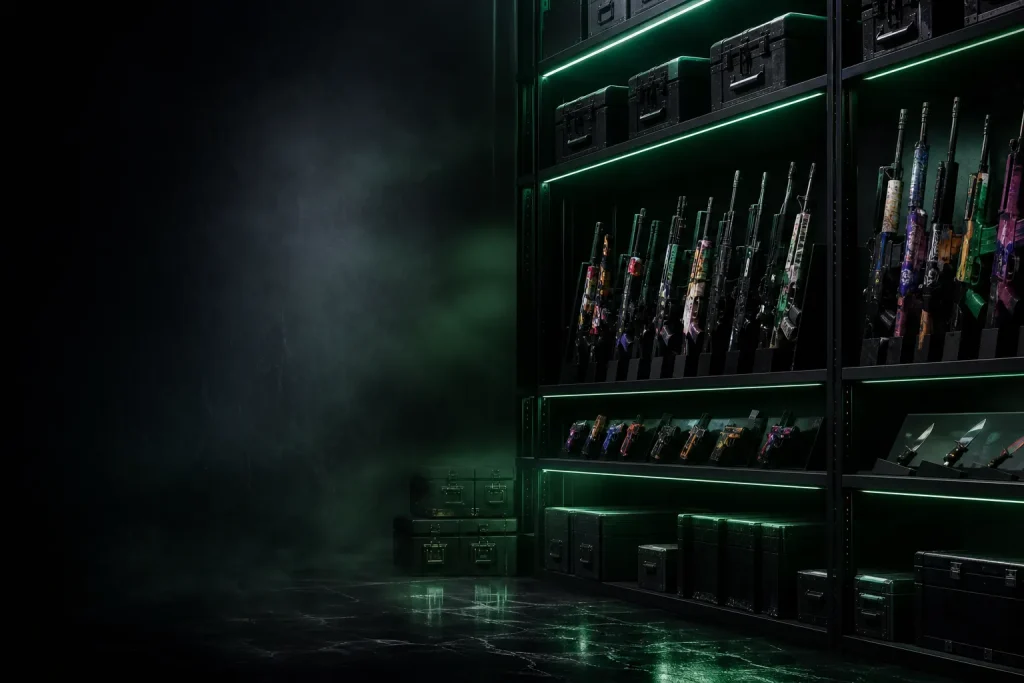
Organization doesn’t have to mean hiding everything. Some collections are meant to be seen. A wall of jerseys, a clean row of figures, a lit shelf of collector’s editions — that stuff has personality. It should feel like yours, not like a catalog page.
The trick is balance. Display the pieces you care about most, then keep the rest sorted out of sight. That way the collection still feels special instead of crowded. You want “curated,” not “storage unit with LEDs.”
Revisit the system when the collection changes
Your setup from last year probably won’t fit this year’s collection. That’s normal. Maybe you started collecting only one team, then you branched into Major merch after watching donk tear through a final and deciding your life needed more team stuff. Maybe you got into older memorabilia and now your old shelf arrangement makes no sense.
Every few months, check three things:
- What’s full?
- What’s being ignored?
- What’s annoying you?
That last one is the big one. If one part of the system keeps frustrating you, fix it before the annoyance becomes the norm. Collections are supposed to be fun. If the setup feels like a chore, it’s time to change it.
And honestly, that’s the whole thing: make it easy to see what you own, easy to protect what matters, and easy to enjoy the part where you actually care about the collection instead of constantly managing it.