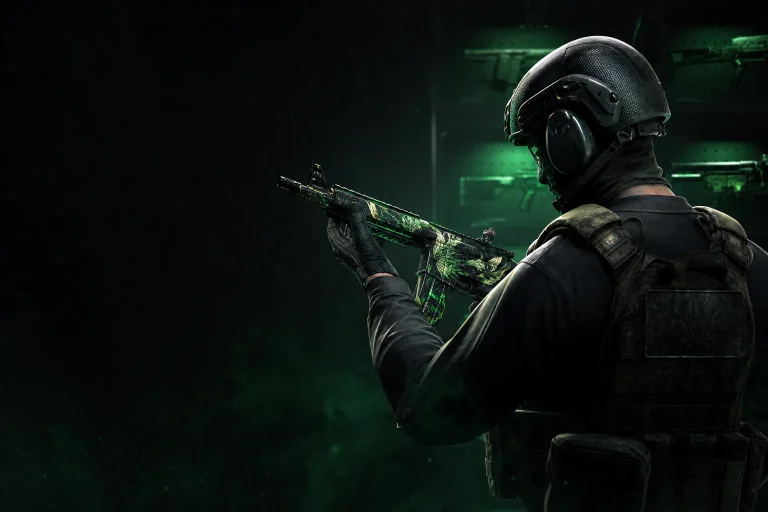

Float values are one of those CS2 things that sounds boring until you actually care about skins, and then suddenly you’re checking every number like it’s a Premier match in overtime. If you’ve ever seen two AK-47 Redlines that look wildly different even though they’re the same skin, float is the reason. In plain English, float is the wear level sitting on a skin, and it runs from 0.00 to 1.00.
CS2 inherited the whole system from CS:GO, and Source 2 didn’t magically change how skins age. A skin with a low float looks cleaner, sharper, and usually more expensive. A high-float skin looks beat up, scratched, and sometimes downright cooked. Same item. Very different vibe.
What float values actually mean
Every skin in CS2 gets a float value when it drops or gets traded. Think of it as a hidden wear number. Lower is cleaner. Higher is rougher. The usual wear tiers break down like this:
- Factory New: 0.00 to 0.07
- Minimal Wear: 0.07 to 0.15
- Field-Tested: 0.15 to 0.38
- Well-Worn: 0.38 to 0.45
- Battle-Scarred: 0.45 to 1.00
That sounds simple, but the actual float matters way more than the label. A 0.07 Factory New skin is technically FN, but it can look a lot closer to MW than a 0.01 version. Same deal with Field-Tested skins — a 0.15 float and a 0.37 float both wear the same tag, but they’re nowhere near each other visually.
Why players care so much
Because cosmetics in CS2 aren’t just “extra stuff.” They’re a huge part of the culture. People track floats the same way they track CS Rating, and honestly, for skin buyers it makes sense. A lower float can mean better edge wear, cleaner stickers, and better resale value. If you’re buying a knife, an M4, or an AK for long-term use, you don’t want the thing looking like it survived three Ancient retakes and a Desert Eagle eco.
The market also loves tiny differences. A 0.001 float can fetch more than a 0.06 float on the exact same skin because collectors care about specifics. That’s especially true for clean finishes like the AK-47 Slate, M4A1-S Printstream, or knives with glossy blades. People will absolutely pay extra for a “2x zero” float if it’s rare enough.
The float range that matters most
Not all skins use float the same way. Some show wear fast. Some barely change at all. That’s why you can’t just look at the wear label and call it a day.
- Painted finishes tend to lose detail faster as float rises.
- Industrial-looking skins often hide wear better.
- Knives and gloves are a whole different headache, since float can hit the blade, handles, or fabric in ugly ways.
Take gloves, for example. A low-float pair can look crisp, but once the wear climbs, the fingers and palms start looking wrecked. That matters a lot more than people think, because gloves are visible every round. In a Mirage A execute or a Nuke yard fight, you’re staring at them constantly. If you’re dropping serious money on a pair, float is not optional — it’s the whole point.
How float affects price
Here’s the part most newer players miss: float is one of the biggest price drivers in the skin market. Not for every item, but for plenty of them. Two skins can be the same pattern, same StatTrak, same stickers, same everything — and the one with the lower float still sells for more.
Why? Scarcity. A clean float is harder to find, especially on older skins and knives. The gap can be tiny or massive depending on the item. On a low-end skin, the difference might be a couple of dollars. On a rare case-hardened knife or a popular covert skin, the gap can jump into hundreds or even thousands.
If you’re buying to resell, float matters almost as much as the skin itself. If you’re buying to flex in CS2 matchmaking, Premier, or Faceit, float still matters, because nobody wants a “Factory New” rifle that looks like it got dragged through a Dust2 B site molly.
How to check float values
CS2 doesn’t exactly plaster float values in your face during normal gameplay. You need to inspect the item, use a marketplace listing, or check a third-party database. Most skin sites show float directly in the listing now, which is convenient if you’re comparing items fast.
When you’re checking float, keep an eye on the whole item, not just the number:
- the float itself
- the wear tier
- pattern index
- sticker placement
- whether the wear hits the visible side of the skin
That last part matters a lot. A skin can have a mediocre float and still look fine if the visible area stays clean. The reverse is also true — some items get ugly fast once the float creeps up, especially around edges, magazine areas, or blade tips.
Float myths that need to die
There’s a lot of bad advice floating around skin trading circles. Half of it gets repeated by people who’ve never actually checked a market listing in their lives.
- “Factory New always looks perfect.” Nope. 0.06 can look noticeably worn.
- “Battle-Scarred means unusable.” Also false. Some BS skins look fine, depending on the finish.
- “Float doesn’t matter unless you’re a collector.” Wrong again. It affects price, looks, and how the item ages visually.
- “Sticker crafts hide wear.” Sometimes. Not enough to save a truly bad float.
People also confuse float with pattern. They’re separate. Float is wear. Pattern is the design variant. A blue gem on a knife can still have a horrible float. A high-float rare pattern can be worth a ton, but that’s because of the pattern rarity, not because the skin is clean.
Best float ranges for common buy goals
If you’re shopping smart, the “best” float depends on what you’re actually trying to do.
- For personal use: aim for the sweet spot, usually around 0.03 to 0.08 on most skins. Clean enough, not stupid expensive.
- For trading: lower is better if the price gap isn’t absurd.
- For collecting: go as low as your wallet can tolerate, because collectors are paying for the number as much as the look.
- For knives and gloves: be picky. A bad float ruins the whole item.
Honestly, 0.00x floats are cool, but they’re not always worth the premium unless the item is actually rare or especially clean at low wear. A lot of players overpay just to say they own a “near-0” float, then realize the skin looks basically the same in-game while their balance is suddenly missing 300 bucks.
Float in the CS2 economy
CS2’s economy is already weird enough with round losses, save rounds, and bonus farming. Float adds another layer on top of that because it creates micro-markets inside the skin market. One listing might be priced like a normal skin, while another identical one is marked up because the float is 0.009 instead of 0.12. That’s just how it goes.
And yeah, the market gets irrational. Same way people chase a donk highlight on Ancient or obsess over whether m0NESY’s AWP flick looked faster in Source 2, skin buyers obsess over decimals. It’s part flex, part collecting, part trying not to get scammed.
If you’re spending real money, check the float before you buy. Every time. No exceptions. A cheap-looking listing can be fine, or it can be a trap where the skin is technically the right wear tier but looks awful in practice. Don’t rely on the thumbnail.
Float values are one of those CS2 details that separate casual buyers from people who actually know what they’re doing. Once you start reading floats properly, you stop getting baited by labels and start judging the item for what it really is — and that’s the difference between a decent buy and a painfully overpriced one.