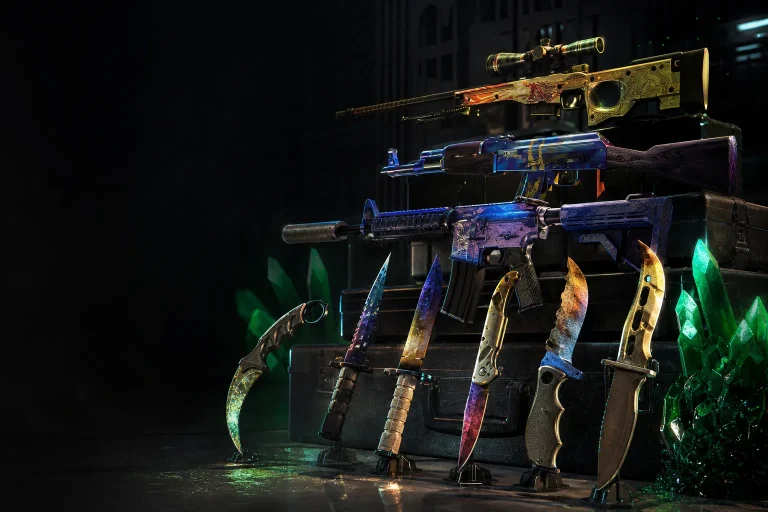
CS2 skin design has changed a lot since the old CS:GO days, and not just because the lighting looks cleaner in Source 2. The whole way skins read in-game, how finishes pop under different map lighting, and even how people judge wear now feels sharper. A skin that looked sick on the inspect screen in CS:GO can look completely different when you swing banana on Inferno or hold B apps on Mirage at 128-tick-ish subtick speed in CS2.
If you’ve been around long enough, you remember when the skin scene was mostly about rarity, float, and whether a pattern index gave you a clean look or a cursed one. That part’s still here. But CS2 pushed skin design into a different lane, where contrast, reflectivity, and visibility under the new engine matter way more than people expected. Some finishes look premium now. Some look weirdly cheap. Some got straight-up worse, and yeah, I’m looking at you, certain matte reds that used to feel way louder in CS:GO.
From CS:GO’s flat look to Source 2 shine
CS:GO skins were built around a flatter presentation. They still had glossy bits, sure, but the game’s old rendering made a lot of finishes feel less reactive. In CS2, Source 2’s lighting changes everything. Metal finishes catch ambient light differently. Pearlescent coatings shift more obviously. Even skin wear can feel more pronounced because the gun model sits in a more realistic light setup rather than that old washed-in look we got used to for a decade.
That’s why some collectors swore the AWP | Dragon Lore looked “brighter” right away, while others noticed the opposite on certain darker gloves and rifles. It isn’t magic. It’s just a better rendering pipeline, fresher materials, and a game engine that actually cares about how light bounces off surfaces instead of pretending every gun is in the same room.
Why certain finishes suddenly hit harder
CS2 basically exposed which skin designs had real depth and which ones were surviving on nostalgia and old UI vibes. The finishes that look best now tend to share a few traits:
- High contrast. Clean color blocking reads well on every map, especially Ancient and Anubis where the backgrounds can get busy fast.
- Metallic shine. Chromium, chrome, polished steel — anything with actual reflectivity got a huge boost.
- Strong patterns. The more distinct the pattern, the more likely people are to spot a good one at a glance.
- Low visual clutter. Skins with weird noise textures can look muddy in CS2, especially in motion.
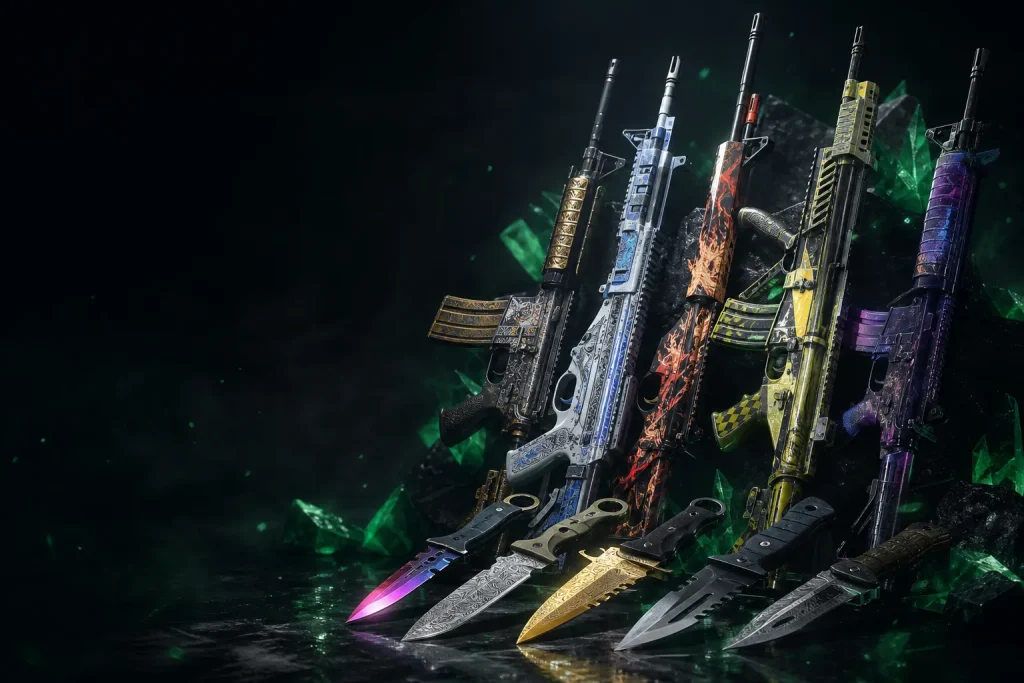
That’s why finishes like Fade, Doppler, Marble Fade, and Case Hardened have stayed at the top of the food chain. Their design language was already built around visual payoff. CS2 just cranked the volume. A Phase 2 Doppler on a clean knife now looks like it belongs in a Major highlight clip, while some old sleeper skins feel like they got left behind in a 2017 trade-up spreadsheet.
Wear, float, and why Factory New isn’t the whole story anymore
Float has always mattered, but in CS2 it feels even more obvious. A gun with 0.07 float can look way cleaner than one with 0.15, especially on finishes that show scratches aggressively. On the flip side, some Battle-Scarred skins actually look cooler now because the texture wear gives them character instead of just making them sad. That’s subjective, obviously, but plenty of collectors have started chasing “good bad” skins for exactly that reason.
Take an AK-47 | Fire Serpent or a M4A4 | Howl. Those are already big-ticket items, but the difference between clean and beat-up is way easier to spot in CS2. Same with glove skins. A pair of Crimson Webs at 0.06 float can look elite, while a grimy 0.25 pair can kill the whole loadout. If you’re paying five figures for a combo, “close enough” is a terrible mindset.
Pattern chasing got even more obsessive
Pattern-based skins have always had weird little cults around them, and CS2 made that obsession more visible. Blue Gems are the obvious example. A Case Hardened AK with the right seed can go from decent to absurdly expensive, because the blue coverage reads so clean in the new lighting. People don’t just want “a Blue Gem” either — they want the right side, the right mag, the right balance of blue and steel, because the best ones look like custom art rather than randomized factory junk.
The same thing happens with knives and gloves. Doppler phases matter more now because the color breakup is easier to read. Emeralds, Sapphires, and Rubies still get the crowd going because they’re pure flex skins, but even lower-tier pattern winners can punch above their price if the design lines up with the Source 2 look. That’s the fun part, honestly. A skin economy sounds dumb on paper until you see someone on Mirage top mid with a crazy pattern and realize the entire lobby is staring at their knife instead of the round.
Inspect culture changed too
Skin design isn’t just about how a gun looks in your hands during a round. Inspect culture matters now more than ever, and CS2’s cleaner presentation made that a bigger part of the flex. People used to spam inspect during freeze time just to show off in chat. Now they do it because skins actually look better when rotated, zoomed, and lit properly. The inspect animation is basically part of the design language at this point.
That’s why finishing a loadout feels closer to building a Premier identity than just buying cosmetics. A player at 18,000 CS Rating with a clean inventory sends a message before the first bullet is fired. Same story on the pro scene — when s1mple, ZywOo, m0NESY, or donk turns up with a wild knife or a rare pair of gloves, people notice instantly. Not because the skin makes them better, obviously. Because CS has always been half aim duel, half style points, and the style points are loud.
The new economy around skin design
Skin design in CS2 isn’t only about the art anymore. It’s about liquidity, collector taste, and what the market decides is hot after a tournament or a case update. When a Major happens and some player drops a ridiculous highlight with a skin, you can watch demand move. The same goes for content creators posting “best loadouts” after every big Valve patch. That stuff has real market impact, which is insane if you step back and think about it, but here we are.
The pricing logic usually follows a few beats:
- Rare finish.
- Desirable pattern.
- Low float.
- Clean look in CS2 lighting.
Miss two of those and you’re often just holding an expensive gun with a nice name. Hit all four and suddenly you’ve got a skin people will argue about for weeks in Discord and on Twitter. That’s how the scene works now — not purely by rarity, but by how well a design survives the actual game engine.
Which designs aged best in CS2
If you ask me which skin families came out on top, I’d put the glossy, high-contrast stuff first every time. Dopplers, Fades, Marble Fades, Case Hardeneds, and most of the cleaner metallic finishes all gained value in perception because CS2 makes them look more expensive. That perception matters. A skin doesn’t need to be objectively rarer than another one to feel better in your hands when you’re anchoring B on Nuke or holding mid on Overpass.
Some of the best-looking budget skins also got a boost. Certain Minimal Wear rifles now look absurdly good for the price because their color palettes stay readable no matter what map you’re on. A lot of players sleep on these and dump all their money into a knife, which is fine if that’s your thing, but a smart loadout in CS2 is about balance. Spend on the one or two pieces you actually see every round, then make the rest clean enough that your inventory doesn’t look thrown together by a case opening addiction.
Where skin design goes from here
The big thing to watch is whether Valve keeps refining how finishes react to future lighting and map updates. If they do, skin design will only get more visual, more pattern-driven, and probably more expensive in the places that already matter. The days of a skin being “good” just because it was old are fading fast. CS2 is way more honest than that.
That’s the real evolution here: skin design went from simple cosmetic flex to a mix of art direction, engine response, and collector psychology. The best skins in CS2 aren’t just rare. They’re readable, sharp, and satisfying in motion. If a skin can survive a fast swing through banana, a messy site exec, and a freeze-time inspect without looking dead, it’s doing its job. If it can’t, it’s just another expensive menu item.